
Bicycle Counters
Bicycle Counters
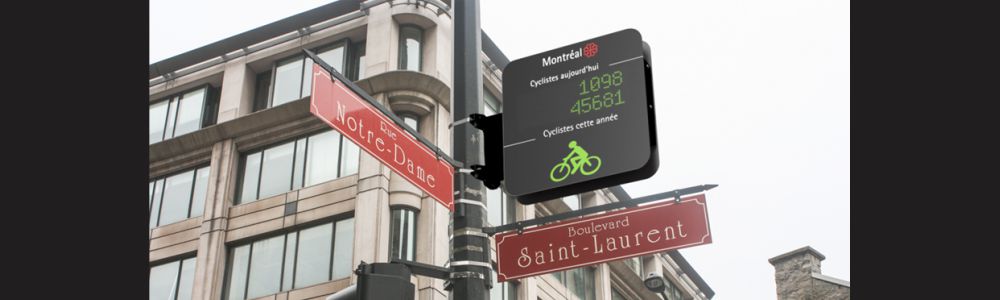
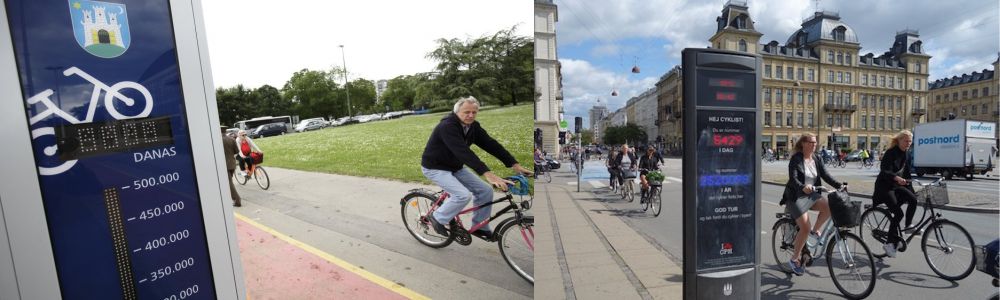
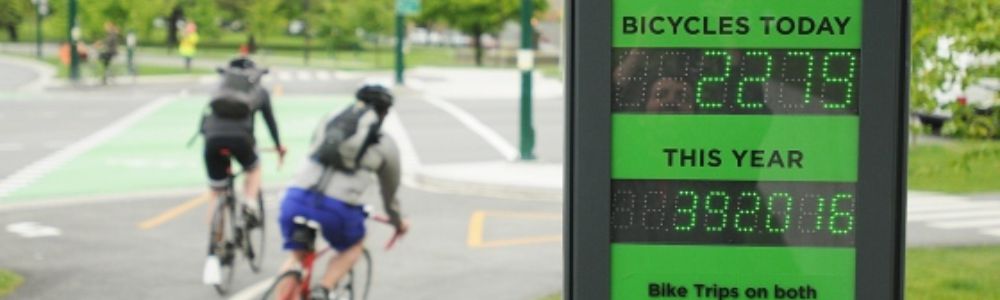
Our bicycle counter tracks the number of bicycles passing through specific areas. The collected data is displayed on the counter’s digital screen and can also be accessed through Innova's website.
Why Choose a Bicycle Counter?
Like our other systems, the bicycle counter provides a range of valuable insights. With it, you can monitor foot and bicycle traffic in the designated area and easily:
• Access precise data for analysis and reporting
• Adjust infrastructure capacity based on actual usage
• Determine the ratio of bicycles to pedestrians to better allocate resources
• Track passage trends over time
• Display real-time weather and temperature information to pedestrians and cyclists
• Show targeted advertisements to passersby
Who is it for?
This system is designed for professionals responsible for maintaining bicycle paths, especially those shared with pedestrians. It is ideal for park administrators, city planners, university facility managers, and others overseeing public spaces where foot and bicycle traffic intersect.
Informative, Educational, Commercial
This counter features a versatile display capable of showing a wide range of content, including data, images, and videos. In addition to calculated values, it can display real-time information like time and temperature, with options for other customizable data. Educational content of various kinds can also be presented, enhancing the value of the display. Advertising through images or videos is available, potentially offsetting the product's cost entirely.
Simplicity
Our sensor is designed for easy installation at various points around the monitored area. While the simplest placement option is along the path, this may occasionally lead to undercounting, such as when two cyclists ride side-by-side. A more accurate solution is overhead installation, which allows the sensor to precisely count all cyclists and pedestrians, regardless of their formation.
The display panel can be installed anywhere, ideally in the most visible location.
When electricity access is limited, all components can be powered by batteries or solar cells for full operational flexibility.

Bicycle counter
System for counting bicycles and people
WE POINT OUT
WE SINGLE OUT
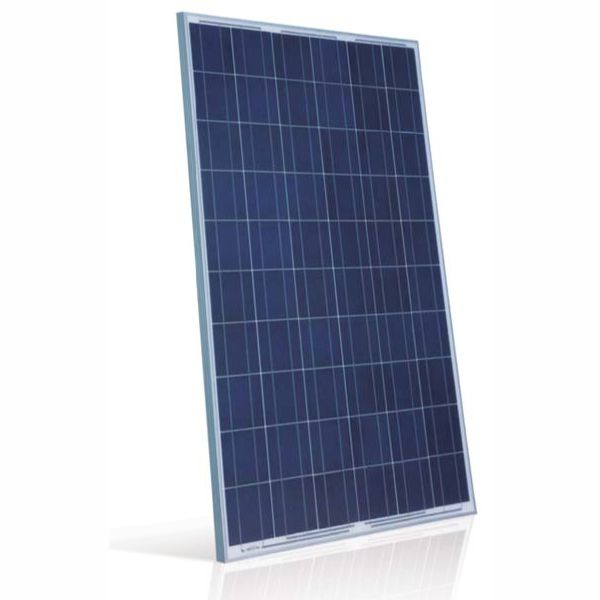
Solar panels
Solar panels can be used